

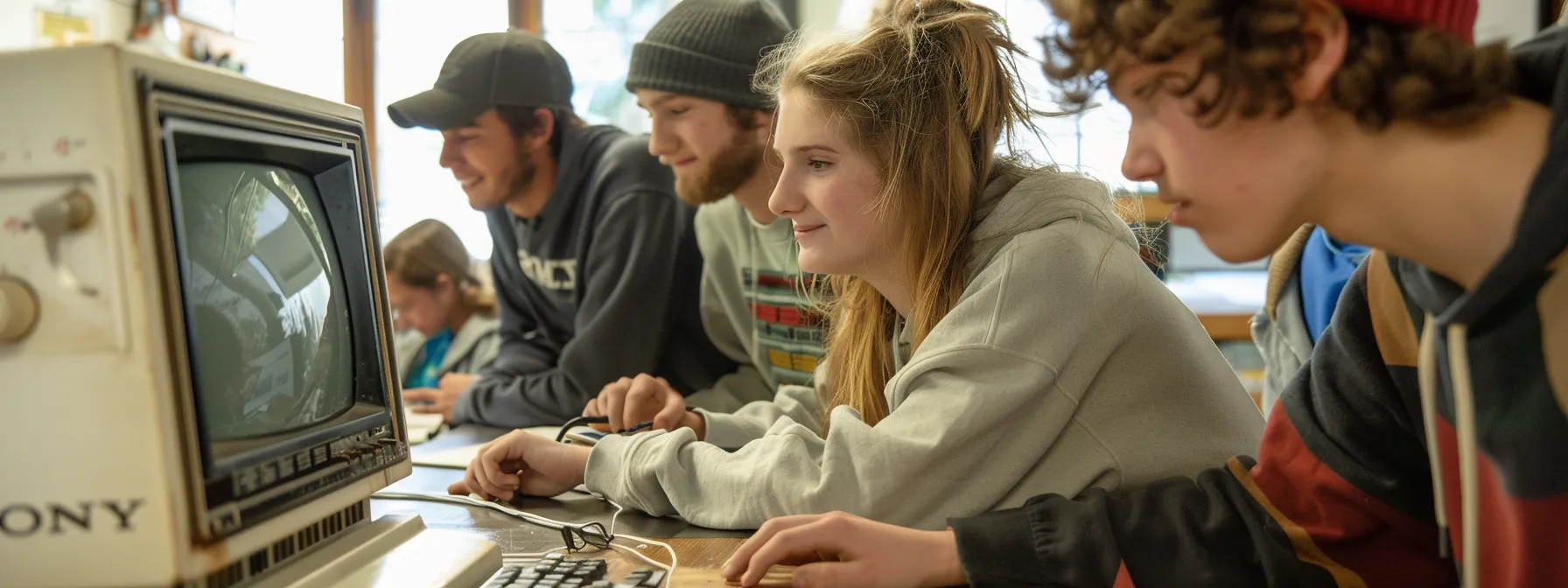
The Oregon Trail game is more than just a nostalgic experience; it serves as a powerful educational tool. Research shows that gameplay can enhance understanding of American history, particularly the concept of manifest destiny. This article will explore how the Oregon Trail game teaches critical thinking and problem-solving skills while integrating it into modern classrooms. Readers will discover strategies to maximize learning outcomes and address the risks of disengagement in traditional education. By understanding these elements, educators can better organize their lessons to create a more engaging learning environment.
Understanding the Educational Impact of the Oregon Trail Game

The Oregon Trail game originated as an educational tool designed to teach students about the challenges faced by pioneers. By simulating historical events, it enhances learning through critical thinking and decision-making. The game engages students with interactive experiences, allowing them to navigate the landscape of the Willamette Valley while confronting obstacles like dysentery, making history both accessible and memorable.
The Origins and Purpose of the Oregon Trail Game
The Oregon Trail game was developed in the 1970s as a response to the need for innovative educational technology that could enhance the curriculum in history classes. Its primary purpose was to provide students with an engaging way to understand the culture and challenges faced by pioneers during their westward journey. By incorporating elements such as disease and survival decisions, the game allows learners to experience historical events in a way that promotes critical thinking and a deeper understanding of the past.
Simulating Historical Events for Enhanced Learning
Simulating historical events through the Oregon Trail game provides students with a unique opportunity to engage in problem-solving and critical thinking. As players navigate the challenges of traveling with a wagon across the Oregon landscape, they must make decisions that impact their journey, enhancing their literacy skills in the process. This interactive experience not only makes learning about the Oregon Trail more engaging but also fosters a deeper understanding of the complexities faced by pioneers, allowing students to connect with history on a personal level.
Engaging Students Through Interactive Experiences
Engaging students through interactive experiences in the Oregon Trail game offers significant educational benefits by combining entertainment with simulation. As players take on the role of settlers, they encounter various challenges that require them to make informed decisions, fostering critical thinking skills. Additionally, the game introduces players to the perspectives of indigenous peoples, enhancing their understanding of the historical context and the complexities of westward expansion.
Teaching American History With the Oregon Trail

Teaching American history through the Oregon Trail game involves exploring Westward Expansion and pioneer life, highlighting the challenges of the journey, and integrating historical facts within the gameplay. Players engage in activities such as hunting and making critical decisions, which enhance their understanding of the era. This approach not only makes history engaging but also provides practical insights into the experiences of those who traveled the Oregon Trail.
Exploring Westward Expansion and Pioneer Life
Exploring Westward Expansion and pioneer life through the Oregon Trail game provides students with a vivid understanding of the historical context surrounding this significant period in American history. Players experience the hardships and triumphs of pioneers as they make choices related to travel, resource management, and survival. This interactive approach not only enhances engagement but also fosters empathy and a deeper appreciation for the challenges faced by those who ventured westward in search of new opportunities.
Highlighting the Challenges of the Journey
Highlighting the challenges of the journey in the Oregon Trail game allows students to grasp the harsh realities faced by pioneers. Players encounter obstacles such as limited resources, harsh weather, and health issues, which require them to make critical decisions that affect their survival. This immersive experience not only enhances their understanding of American history but also fosters resilience and problem-solving skills, preparing them for real-world challenges.
Integrating Historical Facts Within the Gameplay
Integrating historical facts within the gameplay of the Oregon Trail game enriches the learning experience by providing context and depth to the challenges faced by pioneers. Players encounter real historical events, such as the impact of diseases and the significance of resource management, which enhances their understanding of the era. This approach not only makes history more relatable but also encourages players to think critically about the decisions made by those who traveled the Oregon Trail, fostering a deeper appreciation for American history.
Developing Critical Thinking Skills Through Gameplay
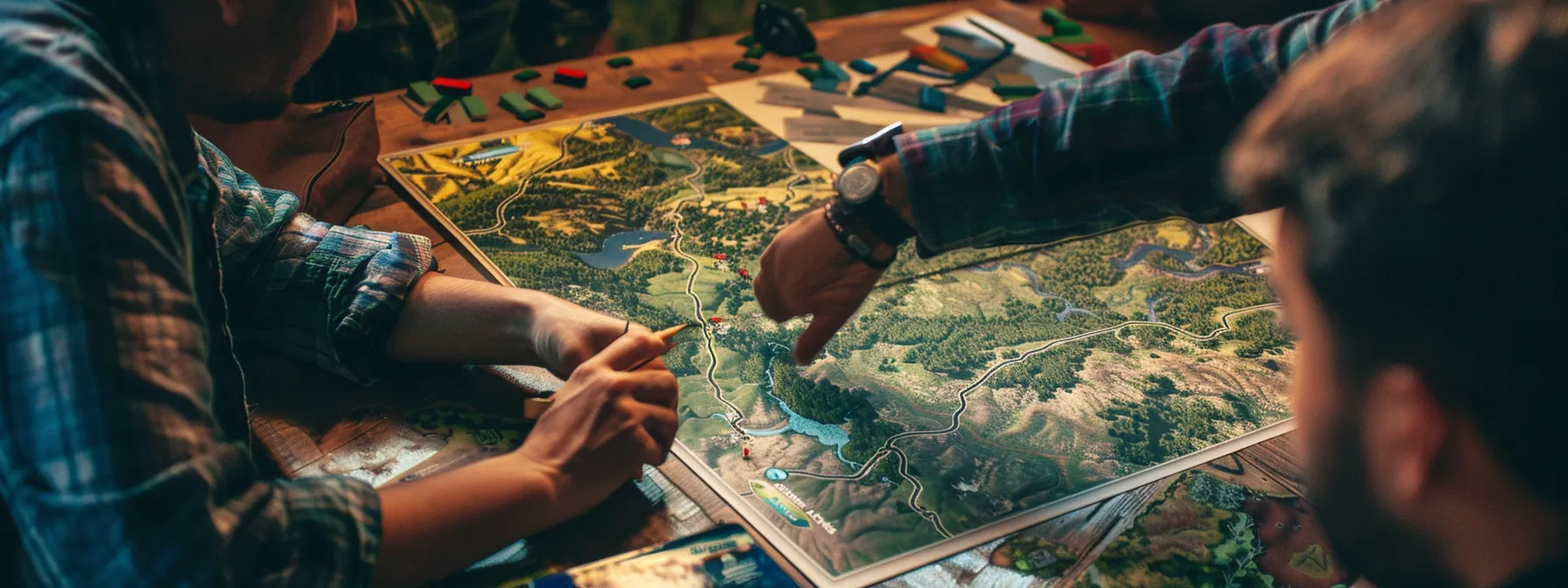
Gameplay in the Oregon Trail game fosters critical thinking by requiring players to make strategic decisions on the trail. Participants must balance risks and resources effectively, weighing the consequences of their choices. Additionally, analyzing outcomes allows players to learn from their decisions, enhancing their understanding of the challenges faced by pioneers and improving their problem-solving skills.
Making Strategic Decisions on the Trail
Making strategic decisions on the trail is a core component of the Oregon Trail game, as players must evaluate their resources and the potential risks of their choices. For instance, deciding whether to hunt for food or conserve ammunition requires careful consideration of immediate needs versus long-term survival. This process not only enhances critical thinking skills but also mirrors real-life decision-making, helping players understand the complexities faced by pioneers during their journey westward.
Balancing Risks and Resources Effectively
Balancing risks and resources effectively is a critical aspect of gameplay in the Oregon Trail game. Players must assess their supplies, such as food and ammunition, while considering the potential dangers of the journey, like harsh weather or disease. For example, choosing to hunt for food may provide immediate sustenance but could deplete valuable ammunition, forcing players to weigh short-term needs against long-term survival strategies. This decision-making process not only enhances critical thinking skills but also mirrors real-life scenarios where resource management is essential for success.
Analyzing Outcomes and Learning From Choices
Analyzing outcomes and learning from choices in the Oregon Trail game is essential for developing critical thinking skills. Players must reflect on the consequences of their decisions, such as resource allocation and risk management, to understand how these choices impact their journey. This process not only reinforces historical knowledge but also equips students with practical problem-solving skills that are applicable in real-life situations.
Enhancing Problem-Solving Abilities

Enhancing problem-solving abilities is a key aspect of the Oregon Trail game, as players face various challenges throughout their journey. Overcoming obstacles along the trail requires strategic thinking and adaptability to unexpected situations. Additionally, collaborating for group success emphasizes the importance of teamwork in achieving goals. Each of these elements contributes to a richer understanding of problem-solving in historical contexts.
Overcoming Obstacles Along the Journey
Overcoming obstacles along the journey in the Oregon Trail game is crucial for developing problem-solving abilities. Players encounter various challenges, such as navigating difficult terrain or managing limited resources, which require them to think critically and adapt their strategies. For instance, when faced with a river crossing, players must assess their options, weighing the risks of fording versus finding a safer route, thereby enhancing their decision-making skills and understanding of historical challenges faced by pioneers.
Adapting to Unexpected Situations
Adapting to unexpected situations is a vital skill developed through gameplay in the Oregon Trail game. Players frequently encounter unforeseen challenges, such as sudden weather changes or health crises, requiring them to reassess their strategies and make quick decisions. For example, if a player faces a sudden illness among their party members, they must decide whether to rest and conserve resources or push forward, highlighting the importance of flexibility and critical thinking in problem-solving.
Collaborating for Group Success
Collaborating for group success in the Oregon Trail game enhances players’ problem-solving abilities by emphasizing teamwork and communication. As players navigate challenges together, they must share resources and strategies, fostering a sense of collective responsibility. This collaborative approach not only mirrors real-life scenarios where teamwork is essential but also helps players develop critical interpersonal skills that are valuable in both academic and professional settings.
Integrating the Oregon Trail Game Into Modern Classrooms
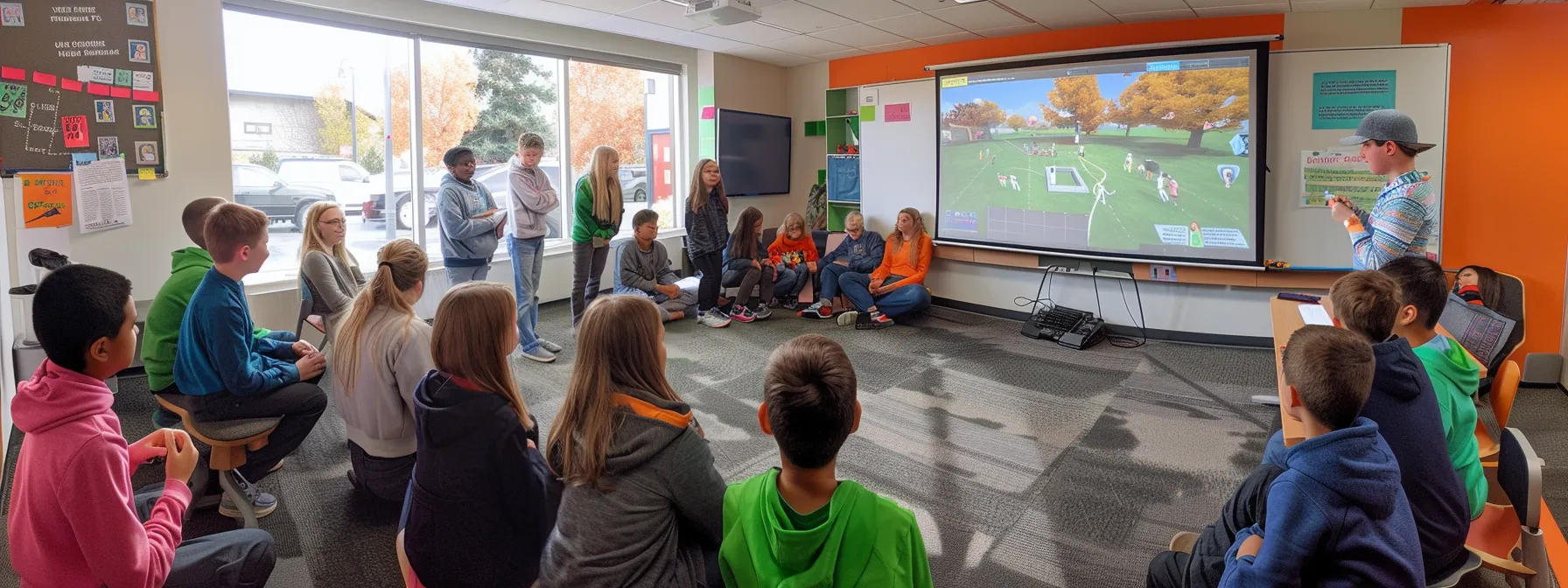
Integrating the Oregon Trail game into modern classrooms involves aligning the game with educational standards, setting clear learning objectives, and facilitating reflective discussions after gameplay. By ensuring that the game meets curriculum requirements, educators can enhance student engagement and understanding. Additionally, structured discussions help students process their experiences, reinforcing key concepts and promoting critical thinking skills.
Aligning the Game With Educational Standards
Aligning the Oregon Trail game with educational standards is essential for maximizing its effectiveness in modern classrooms. Educators can integrate the game into their curriculum by mapping its content to specific learning objectives, such as understanding historical events, developing critical thinking skills, and enhancing problem-solving abilities. By doing so, teachers ensure that students not only engage with the game but also meet academic requirements, making the learning experience both enjoyable and educationally valuable.
Setting Clear Learning Objectives
Setting clear learning objectives is essential when integrating the Oregon Trail game into modern classrooms. Educators should define specific goals, such as enhancing students’ understanding of Westward Expansion or developing critical thinking skills through decision-making scenarios. By establishing these objectives, teachers can create a focused learning environment that maximizes the educational impact of the game, ensuring that students not only enjoy the experience but also gain valuable insights into historical events and their implications.
Facilitating Reflective Discussions After Gameplay
Facilitating reflective discussions after gameplay is essential for maximizing the educational impact of the Oregon Trail game in modern classrooms. Educators can guide students in analyzing their decisions and the outcomes they experienced during the game, encouraging them to connect these experiences to historical events and themes. This approach not only reinforces critical thinking skills but also allows students to articulate their understanding of the challenges faced by pioneers, fostering a deeper appreciation for American history.
Strategies for Maximizing Learning Outcomes
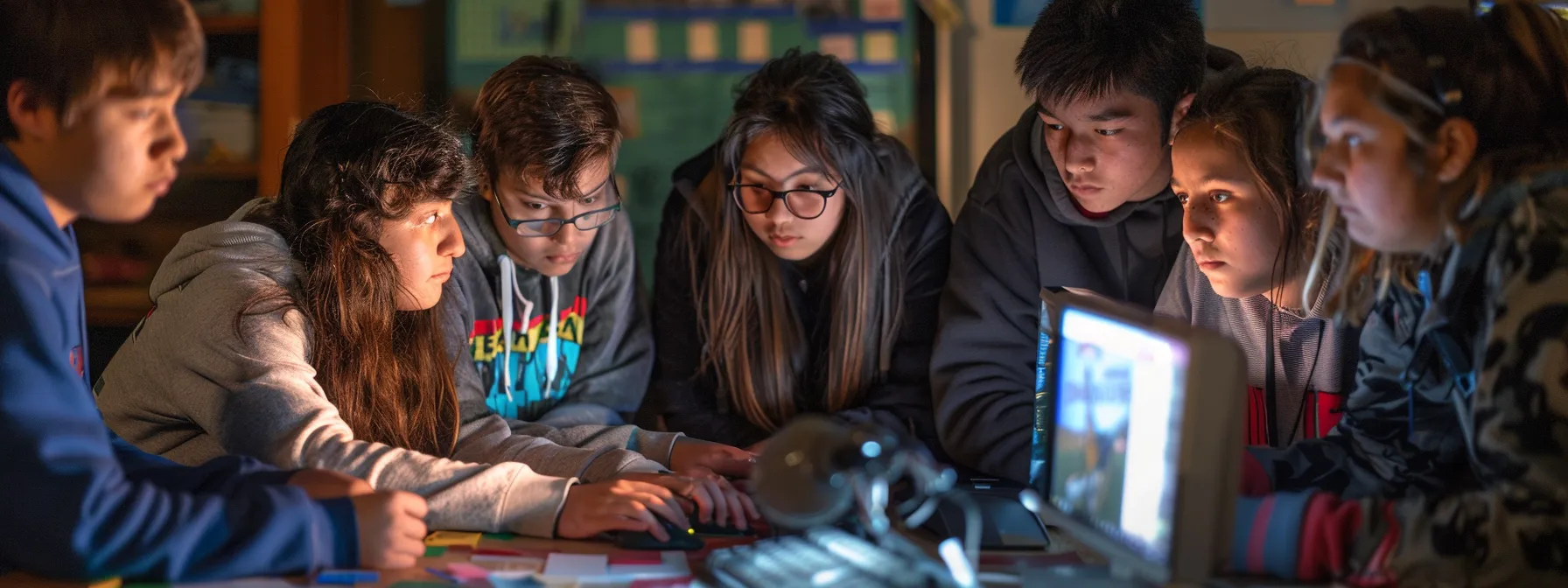
Maximizing learning outcomes from the Oregon Trail game involves several effective strategies. Combining the game with supplementary materials enhances historical context and engagement. Encouraging student collaboration and discussion fosters deeper understanding and critical thinking. Additionally, assessing understanding through creative projects allows students to express their insights and solidify their knowledge. Each of these strategies contributes to a richer educational experience.
Combining the Game With Supplementary Materials
Combining the Oregon Trail game with supplementary materials can significantly enhance the educational experience for students. Educators can incorporate historical texts, maps, and primary source documents that provide context to the game, allowing students to draw connections between gameplay and real historical events. For instance, using diaries from actual pioneers can deepen students’ understanding of the emotional and physical challenges faced during the journey, making the learning experience more immersive and impactful.
Encouraging Student Collaboration and Discussion
Encouraging student collaboration and discussion during the Oregon Trail game enhances the learning experience by fostering teamwork and critical thinking. When students work together to navigate challenges, they share diverse perspectives and strategies, which deepens their understanding of historical events. For example, discussing decisions about resource management or route selection allows students to reflect on the complexities faced by pioneers, making history more relatable and engaging.
Assessing Understanding Through Creative Projects
Assessing understanding through creative projects allows students to express their insights gained from the Oregon Trail game in meaningful ways. By encouraging students to create presentations, artwork, or written reflections, educators can evaluate their grasp of historical concepts and the challenges faced by pioneers. This approach not only reinforces learning but also fosters creativity, enabling students to connect personally with the material and demonstrate their knowledge in diverse formats.
Conclusion
Maximizing learning through the Oregon Trail game significantly enhances students’ understanding of American history and critical thinking skills. By engaging with historical challenges and making strategic decisions, learners develop problem-solving abilities that are applicable in real-life situations. Integrating the game into modern classrooms, along with supplementary materials and collaborative discussions, enriches the educational experience. Ultimately, the Oregon Trail game serves as a powerful tool for fostering a deeper appreciation of the complexities faced by pioneers during their westward journey.