Nestled in the heart of Oregon’s Willamette Valley, the city of Dayton is a charming, historic community that offers a peaceful, small-town atmosphere with easy access to the many amenities of the surrounding region. With a population of approximately 2,600 residents, Dayton is known for its rich agricultural heritage, wineries, and scenic beauty. In this article, we will explore Dayton’s history, geography, economy, and attractions.
The land that is now Dayton was originally inhabited by the Kalapuya Native American tribe, who lived off the fertile land and abundant resources of the Willamette Valley. European settlers arrived in the area in the early 1800s, drawn by the promise of fertile farmland and the opportunity to establish new communities.
Dayton was officially founded in 1850 by General Joel Palmer and Andrew Smith, making it one of the oldest towns in the Willamette Valley. The city was named in honor of Smith’s hometown of Dayton, Ohio. Over the years, Dayton has maintained its agricultural roots while embracing new industries and opportunities for growth.
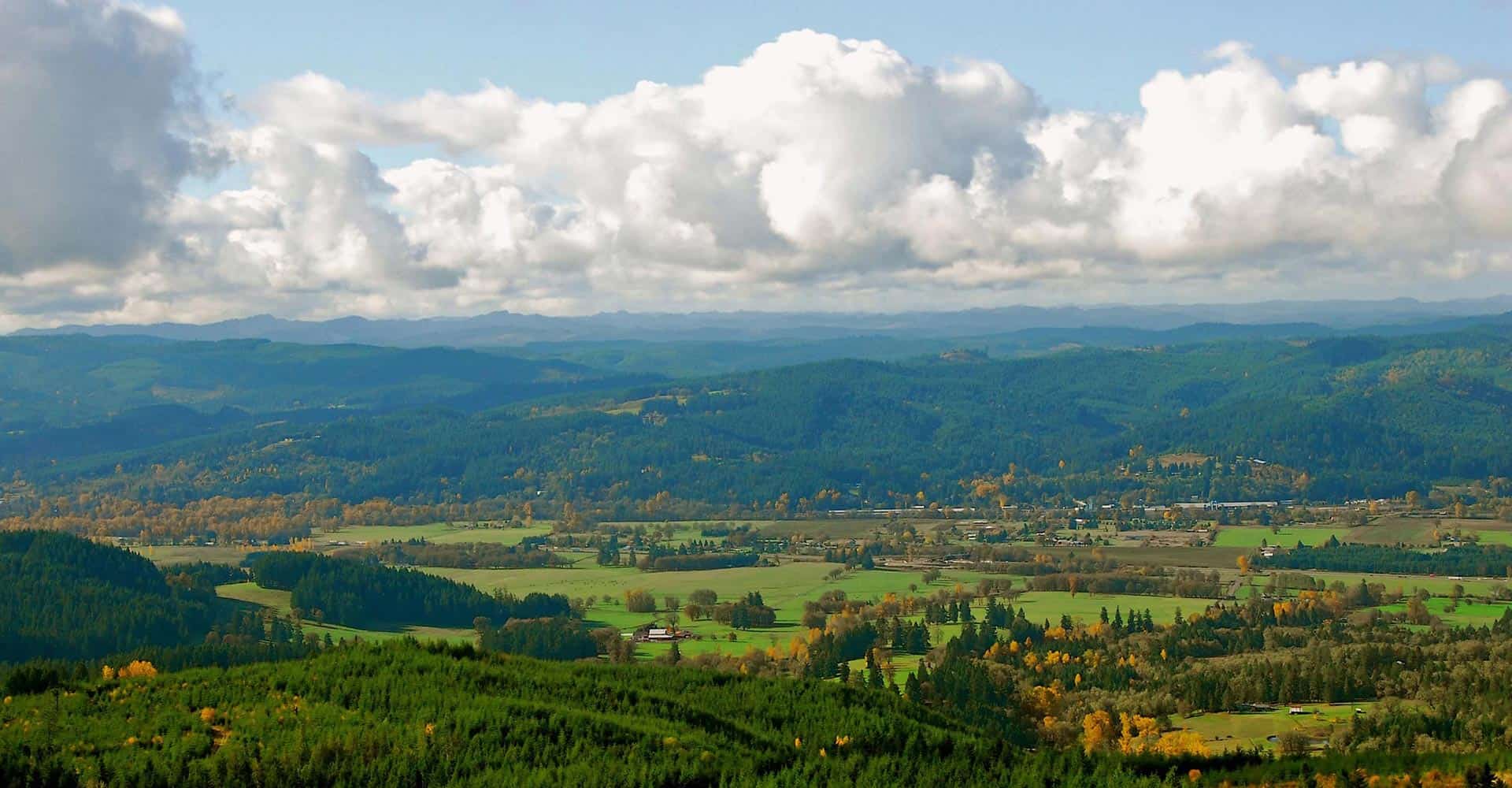
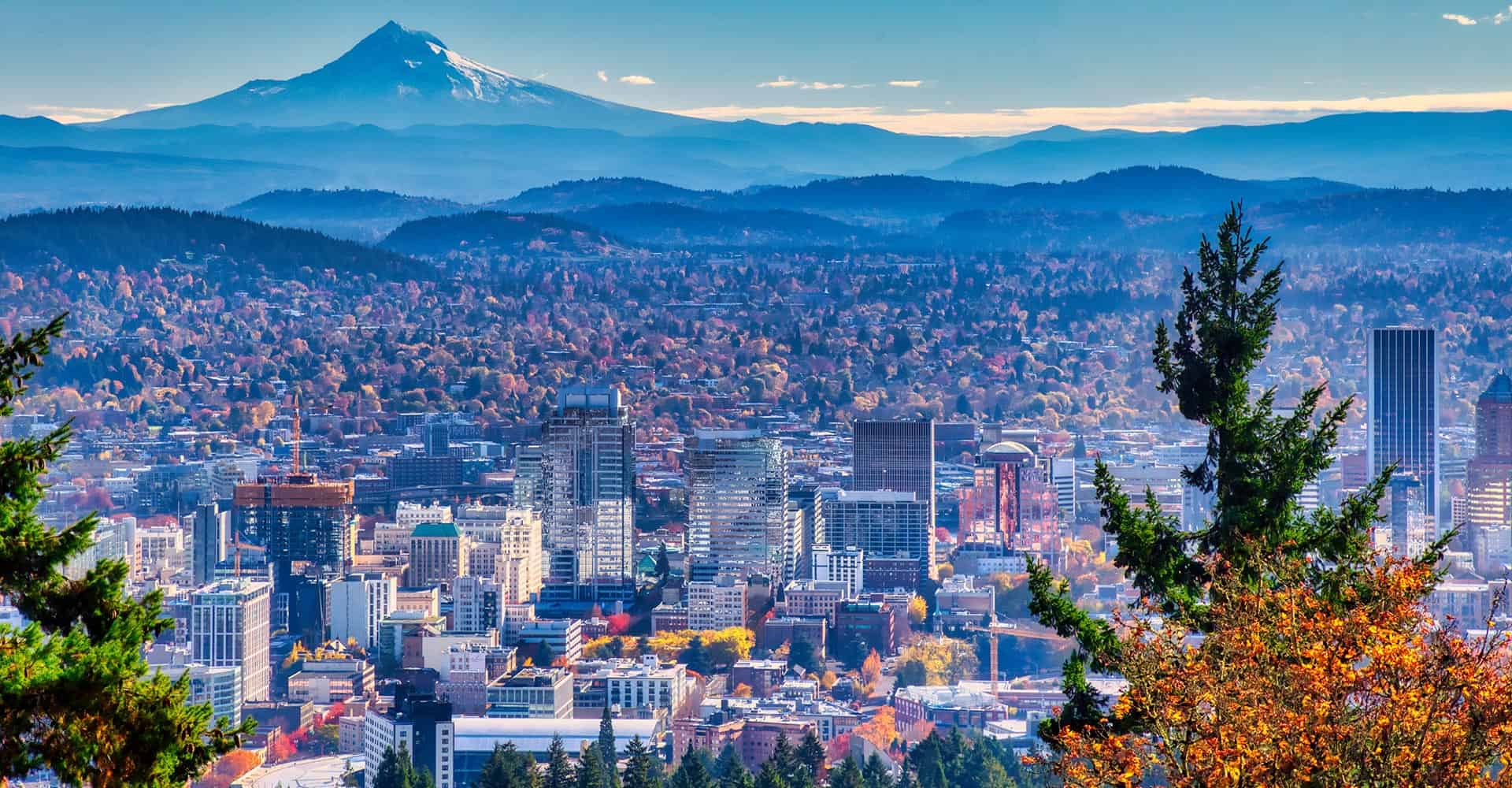
Dayton is located in Yamhill County, Oregon, approximately 25 miles southwest of Portland. The city enjoys a temperate climate characterized by mild, wet winters and warm, dry summers. The Willamette Valley’s fertile soil and favorable climate make it an ideal location for agriculture, particularly for the cultivation of wine grapes.
Dayton is surrounded by picturesque farmland, rolling hills, and lush vineyards, making it a popular destination for wine enthusiasts and nature lovers alike. The nearby Willamette River offers recreational opportunities such as fishing, boating, and wildlife watching.
Agriculture remains a major industry in Dayton, with many local farms producing a variety of crops, including wine grapes, hazelnuts, and berries. The city is also home to several wineries and tasting rooms, which draw visitors from around the world. In addition to agriculture, Dayton’s economy is supported by local businesses, manufacturing, and tourism.
As the Willamette Valley continues to gain recognition as a premier wine-producing region, the wine industry in Dayton is expected to grow and contribute to the local economy. Additionally, the city’s proximity to Portland and other urban centers offers potential opportunities for expansion in technology and other industries.
Dayton is a diverse and welcoming community, with a population that reflects a variety of cultural backgrounds and age groups. The city is known for its strong sense of community and friendly, neighborly atmosphere.
Dayton’s local culture is centered around its agricultural heritage, with community events such as the annual Dayton Friday Nights, which features live music, local food, and family-friendly activities. The city also boasts several historic sites, including the Dayton Courthouse Square Park and the Joel Palmer House, a historic home that has been converted into a fine-dining restaurant.
Dayton is served by the Dayton School District, which operates an elementary, middle, and high school within the city. The district is known for its commitment to academic excellence, offering a range of programs and extracurricular activities designed to promote student achievement and personal growth.
While there are no colleges or universities within Dayton itself, the city’s location within the Willamette Valley provides easy access to a variety of higher education institutions, such as Linfield College, George Fox University, and Chemeketa Community College.
Dayton offers several parks and green spaces for residents and visitors to enjoy, including Courthouse Square Park, Dayton City Park, and Alderdale Park. These parks provide opportunities for outdoor recreation, picnicking, and relaxation in a scenic setting. Additionally, the city is located near several state and regional parks, such as Champoeg State Heritage Area and Willamette Mission State Park, which offer hiking, biking, and wildlife viewing opportunities.
The city of Dayton is located in the heart of Oregon’s wine country, making it an ideal destination for wine enthusiasts. Several wineries and vineyards are located within close proximity to the city, including Stoller Family Estate, Sokol Blosser Winery, and Archery Summit. Wine tasting tours are available, allowing visitors to sample some of the region’s finest wines while enjoying the picturesque landscape.
Dayton is home to several historic sites that showcase the city’s rich history and heritage. The Dayton Courthouse Square Park features the historic Bandstand, which dates back to 1900 and hosts community events throughout the year. The Joel Palmer House, a historic home built in 1857, has been beautifully restored and now operates as a fine-dining restaurant.
Dayton is easily accessible by car, with Oregon State Route 18 and Oregon State Route 221 connecting the city to nearby towns and cities. Interstate 5, a major north-south highway, is located just a short drive east of the city, providing access to Portland and other destinations along the West Coast.
While there is no public transportation system within Dayton itself, the nearby city of McMinnville offers bus service through the Yamhill County Transit Area (YCTA), which connects to other regional transit systems.
The city of Dayton, Oregon, is a charming, historic community with a strong agricultural heritage and a growing wine industry. Its picturesque setting, welcoming atmosphere, and proximity to the attractions of the Willamette Valley make it an ideal destination for those seeking a peaceful, small-town experience with easy access to the amenities of a larger urban area.
As of the 2020 census, Dayton has a population of approximately 2,720 residents.
Dayton is approximately 32 miles southwest of Portland, Oregon. The drive typically takes around 45 minutes, depending on traffic.
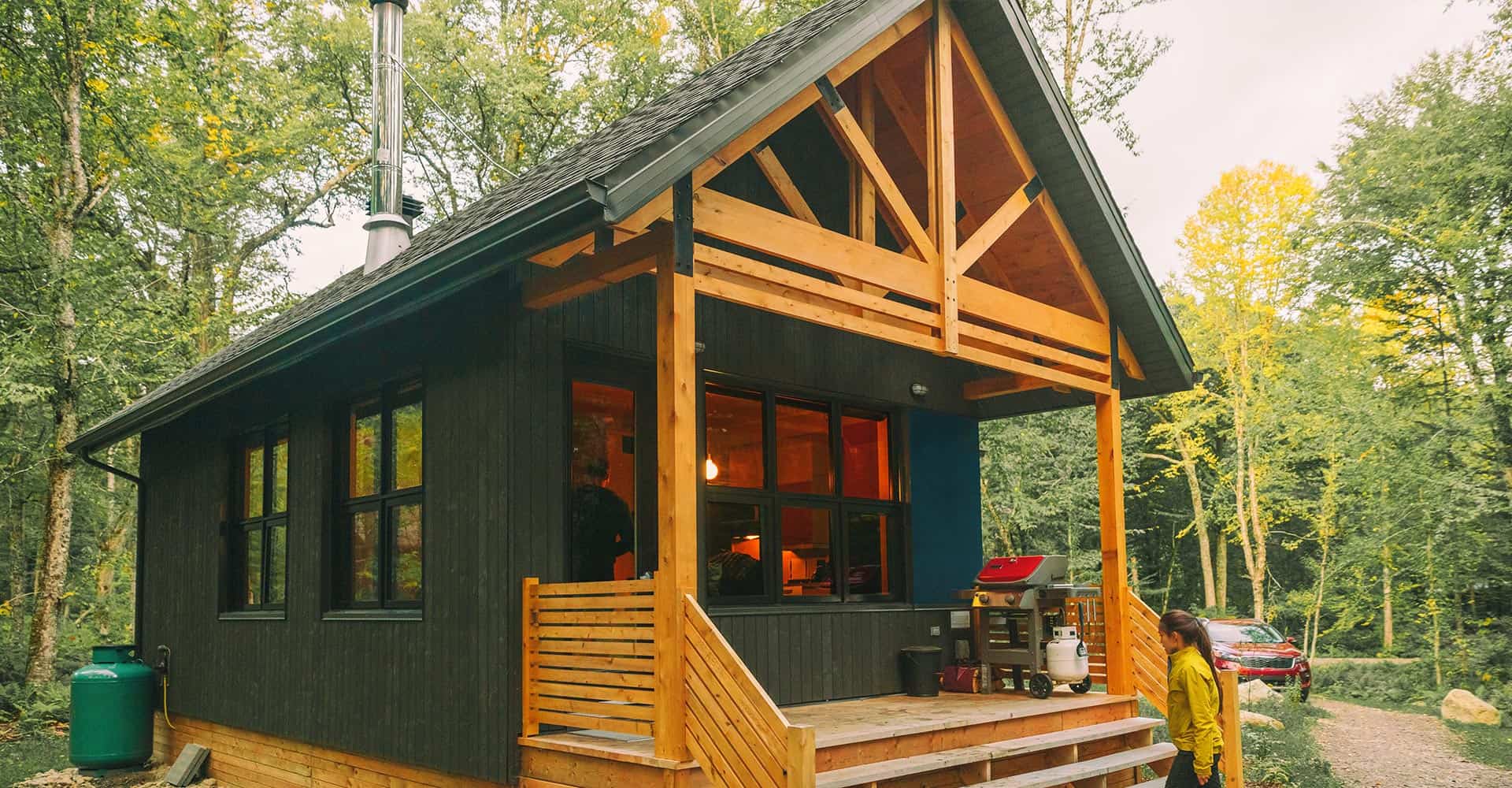
There are a few lodging options within Dayton and its surrounding areas, including bed and breakfasts, inns, and vacation rentals. More extensive accommodation options can be found in nearby cities such as McMinnville and Newberg.
Dayton can be enjoyed year-round, but the best time to visit is from late spring to early fall when the weather is mild, and the vineyards are in full bloom. This is also the peak season for outdoor activities and local events.
Yes, Dayton offers a variety of dining options, from casual eateries to fine-dining establishments. Some notable restaurants include The Barlow Room, The Block House Café, and the historic Joel Palmer House, which serves gourmet cuisine in a charming setting.
While there is no public transportation within Dayton, visitors can rent a car, take a taxi, or use ridesharing services to explore the city and nearby attractions. To visit nearby cities and attractions, visitors can use the Yamhill County Transit Area (YCTA) bus service, which connects to other regional transit systems.
Yes, Dayton is a family-friendly destination with plenty of activities and attractions suitable for all ages. The city’s parks, historic sites, and local events provide opportunities for families to enjoy the outdoors, learn about the area’s history, and participate in community activities.
Many of the outdoor attractions in Dayton, such as the city’s parks and some wineries, are pet-friendly. However, it is essential to check with specific establishments and accommodations before bringing your pet to ensure they have pet-friendly policies in place.
Dayton is approximately 60 miles from the Oregon Coast, with the drive typically taking around 1.5 hours. The scenic route offers a chance to explore the beautiful Oregon countryside and enjoy the diverse landscape of the state.