Woodburn, Oregon, a vibrant and diverse city located in the heart of the Willamette Valley, offers residents and visitors a unique blend of cultural experiences, natural beauty, and economic opportunities. With a population of around 25,000, Woodburn is celebrated for its rich agricultural heritage, strong community spirit, and appealing quality of life. This article will explore various aspects of Woodburn, delving into its history, geography, economy, and attractions.
Before European settlers arrived, the area now known as Woodburn was home to the Kalapuya Native Americans. These indigenous peoples thrived on the fertile land and natural resources provided by the Willamette Valley and its surrounding forests.
Woodburn was first settled by European pioneers in the mid-19th century, who were drawn to the area’s fertile soil and abundant natural resources. The city was named after the wood that was burned to clear the land for farming, and it quickly became a hub for agricultural production. Woodburn was officially incorporated as a city in 1889.
Today, Woodburn continues to evolve while honoring its agricultural roots. The city has experienced significant growth and development over the past several decades, becoming a diverse and thriving community that offers residents and visitors a wide range of cultural, recreational, and economic opportunities.
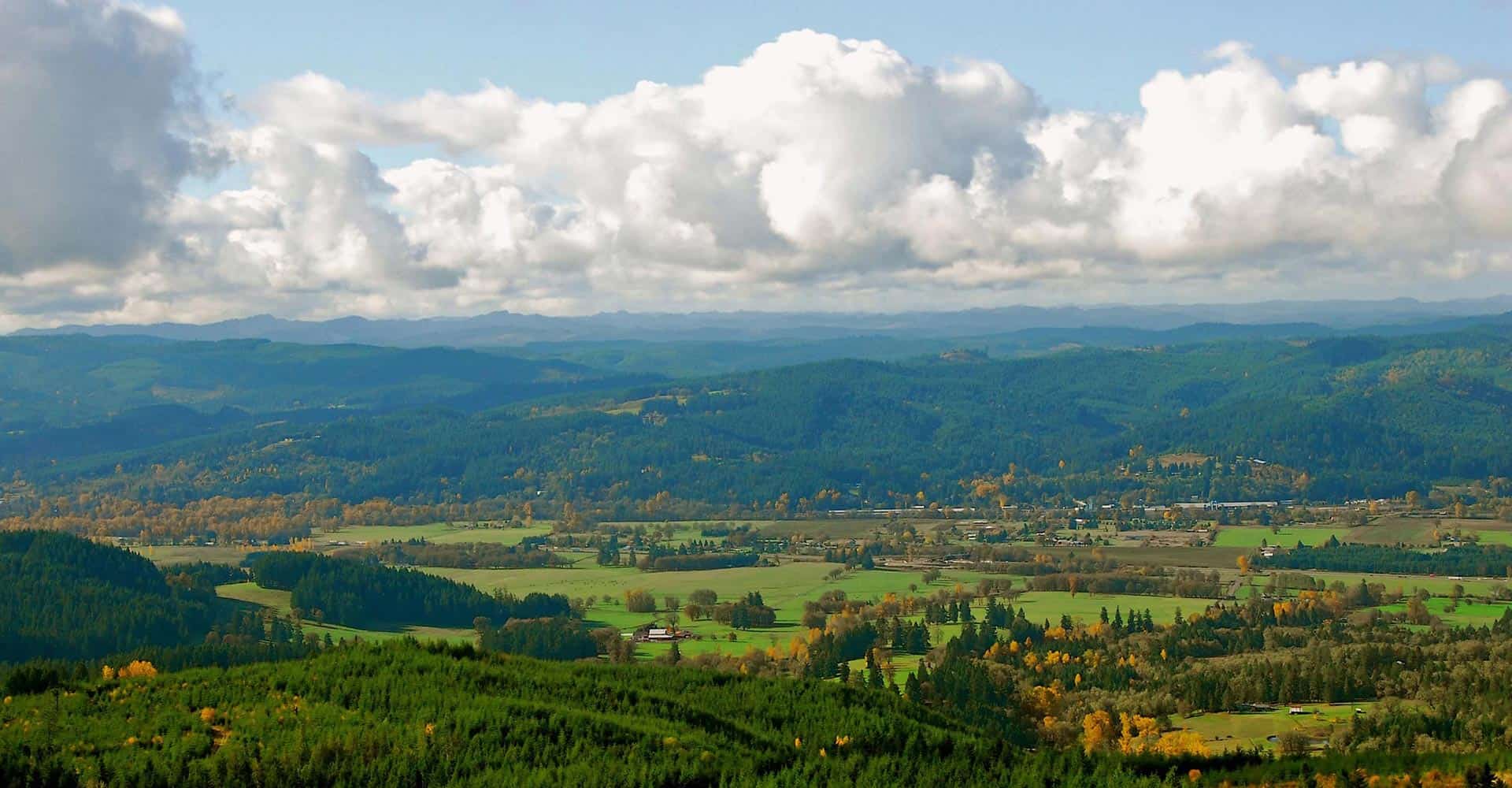
Located in Marion County, Oregon, Woodburn is approximately 30 miles south of Portland and 20 miles north of Salem, the state capital. The city enjoys a temperate oceanic climate characterized by mild, wet winters and warm, dry summers. This climate is conducive to outdoor recreation and supports a thriving agricultural industry, particularly in the cultivation of crops such as berries, hazelnuts, and nursery plants.
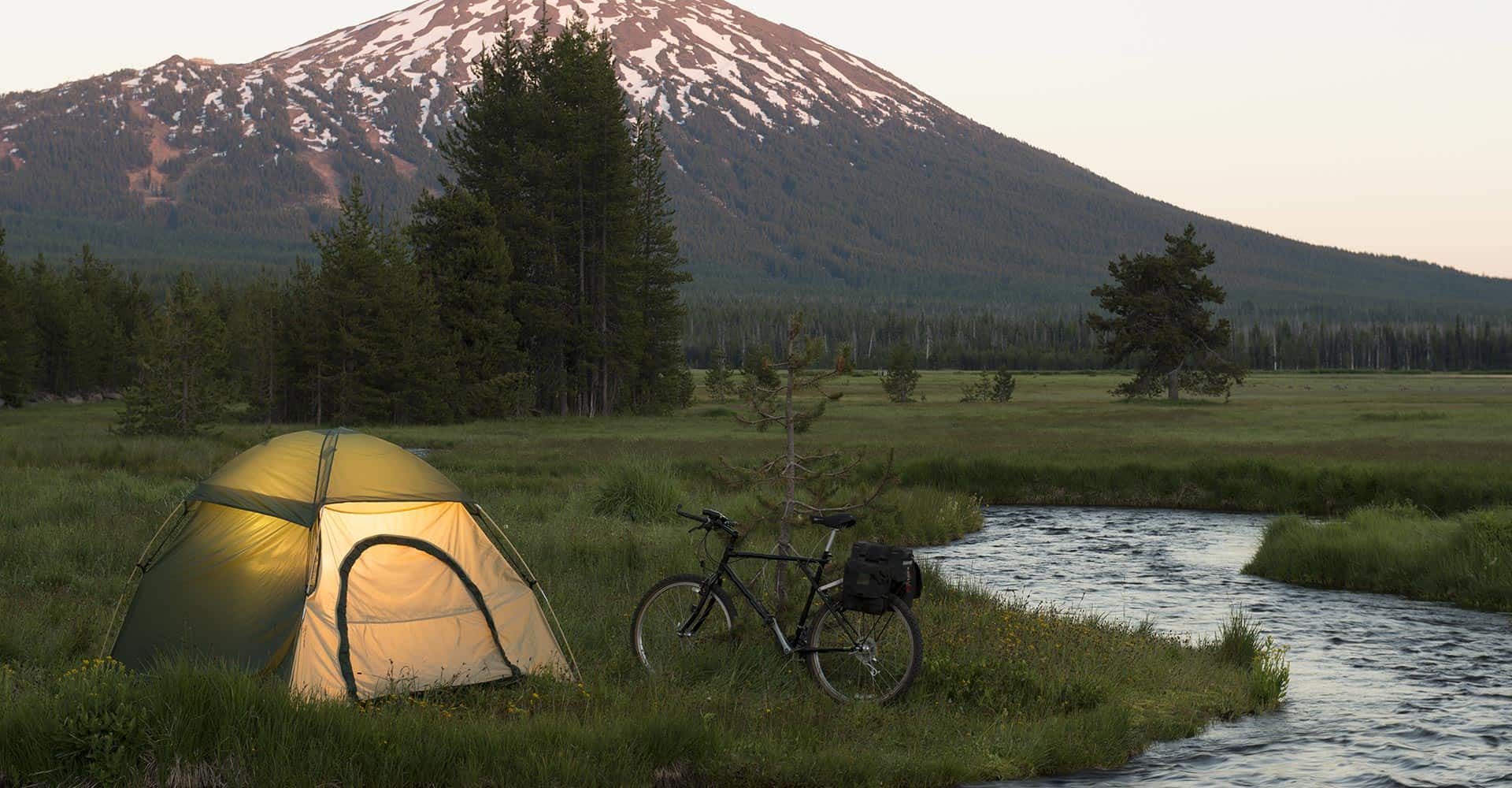
Woodburn’s location in the scenic Willamette Valley offers residents and visitors access to numerous natural attractions, including the nearby Willamette River and surrounding forests and hills. The city also boasts a variety of parks and green spaces, providing opportunities for outdoor recreation and relaxation.
Woodburn’s economy is primarily driven by agriculture, with the city’s fertile soil and favorable climate making it a productive region for a variety of crops. Other major industries in the area include manufacturing, retail, and healthcare. The city’s strategic location within the greater Portland metropolitan area, combined with its skilled workforce and access to transportation infrastructure, has made it an attractive destination for businesses and industry.
In recent years, Woodburn has seen growth in the renewable energy, technology, and advanced manufacturing sectors. This economic diversification has contributed to the city’s resilience and its ability to attract new businesses and investment.
Woodburn is a diverse and inclusive community, with a population that reflects a variety of cultural backgrounds. The city’s Hispanic population has grown significantly over the past several decades, and today, Woodburn is known for its rich blend of cultures and traditions. This diversity is celebrated through various community events, local businesses, and cultural institutions.
The city of Woodburn is home to a vibrant local culture that celebrates its agricultural heritage and diverse community. Residents and visitors can enjoy a wide range of dining options, featuring cuisines from around the world, as well as local favorites that showcase the region’s agricultural bounty. Woodburn’s thriving arts scene includes galleries, public art installations, and community theater productions that highlight the creativity and talent of its residents.
Woodburn is served by the Woodburn School District, which operates several elementary, middle, and high schools in the area. The district is known for its commitment to providing a high-quality education for all students, as well as its focus on promoting bilingual and multicultural learning.
While Woodburn does not have any colleges or universities within its city limits, its close proximity to Portland and Salem offers residents easy access to higher education opportunities at institutions such as Portland State University, Oregon State University, and Chemeketa Community College.
Woodburn offers a wide variety of parks and recreational spaces for residents and visitors to enjoy. Popular parks in the area include Centennial Park, Legion Park, and Settlemier Park, which feature amenities such as playgrounds, sports fields, and walking paths. The city is also home to several golf courses and natural areas that provide opportunities for outdoor recreation and relaxation.
While Woodburn does not have a large number of museums within its city limits, its proximity to Portland and Salem provides access to a variety of cultural institutions, such as the Oregon Museum of Science and Industry, the Hallie Ford Museum of Art, and the Oregon State Capitol.
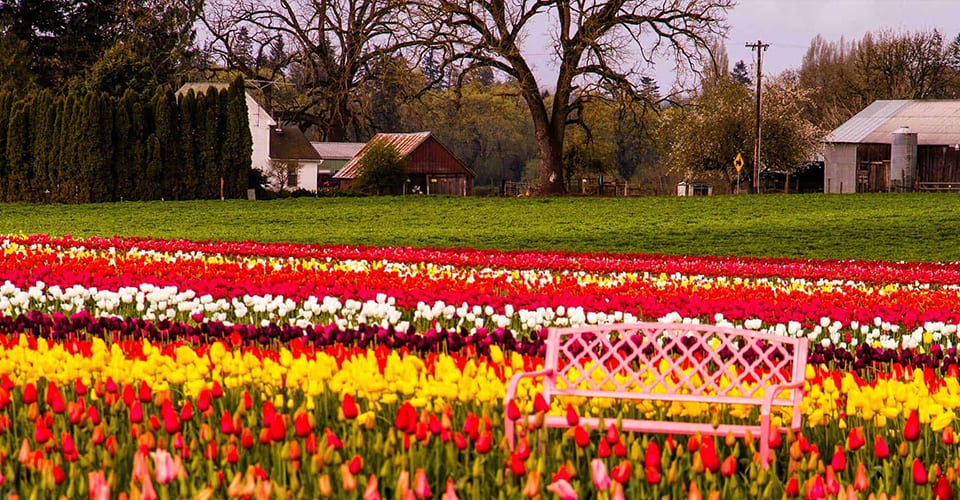
Woodburn hosts a variety of annual festivals and events that celebrate the city’s unique character and community spirit. Some popular events include the Wooden Shoe Tulip Festival, the Woodburn Fiesta Mexicana, and the Woodburn Summer Nights Concert Series.
Woodburn is conveniently located along Interstate 5, providing easy access to Portland, Salem, and other parts of Oregon. The city is also served by public transportation options such as the Cherriots Regional Transit System, which connects Woodburn to neighboring cities and towns.
The city of Woodburn, Oregon, is a thriving and diverse community that offers residents and visitors a unique blend of natural beauty, cultural experiences, and economic opportunities. With its rich agricultural heritage, strong community spirit, and appealing quality of life, Woodburn is an ideal place to visit or call home.
Woodburn is known for its agricultural heritage, diverse community, and the Wooden Shoe Tulip Festival.
The population of Woodburn is approximately 25,000 residents.
Woodburn has a temperate oceanic climate with mild, wet winters and warm, dry summers.
Some popular attractions include the Wooden Shoe Tulip Farm, Woodburn Premium Outlets, and the city’s numerous parks and recreational spaces.